In 1862 the American Civil War was raging and this disrupted cotton supplies. Consequently, the Village Of Farington near, Leyland was severely affected by the cotton shortage. Slave produced cotton was also anathema to many textile workers. Starvation loomed..
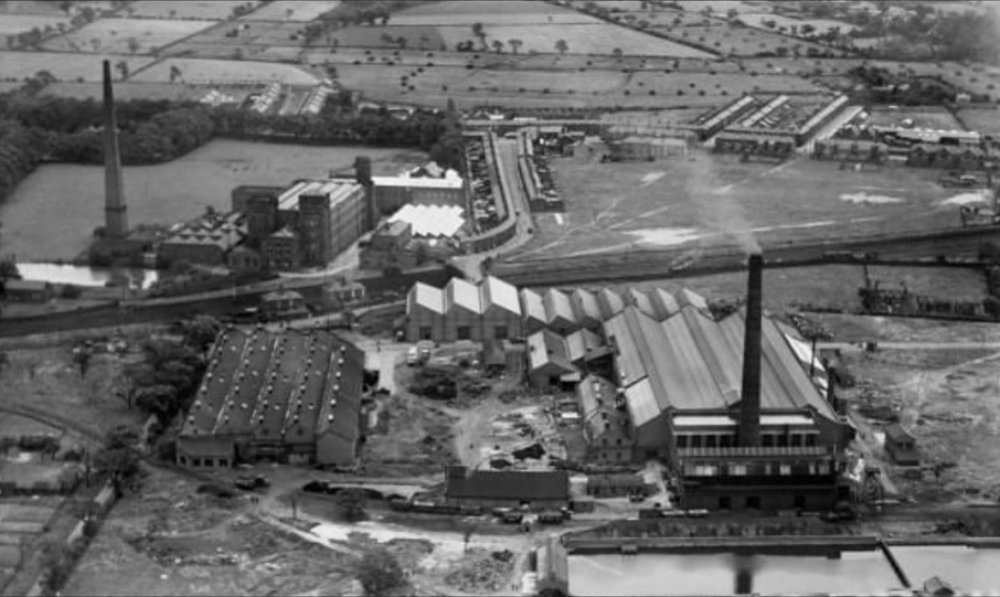
Farington had been a small rural community until 1835 when William Boardman built a mill close to the route of the proposed Railway. By the standards of the time he was a progressive employer. For example, he built cottages for the workers and provided evening classes .
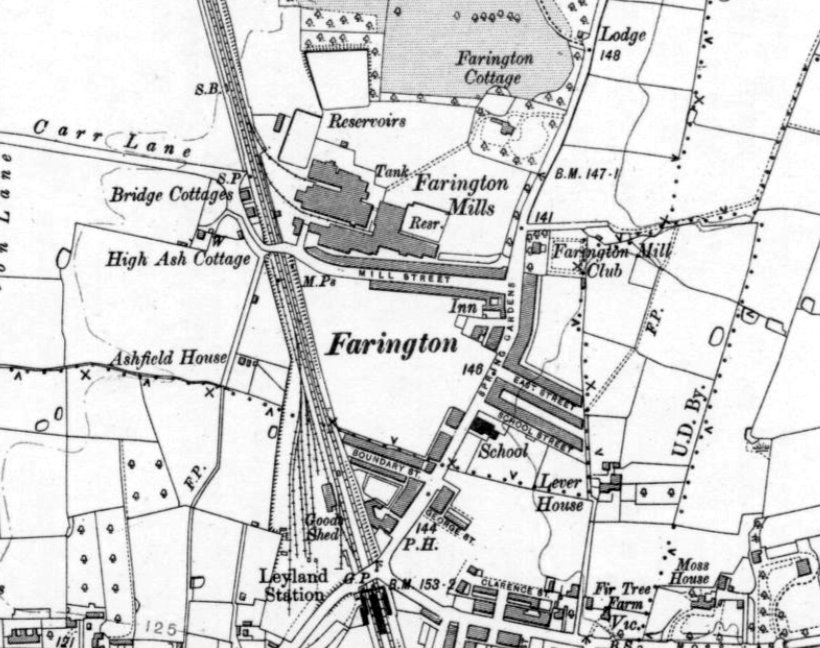
Workers stand against slavery
The US Civil war polarised opinions about slave labour produced cotton. As a result the workers of Farington mill refused to accept it. By January 1862 the mill reduced working hours from six to four days. Additionally, by September production had ceased entirely.
I’d work but cannot – starve I may
The Lancashire famine song
But will not beg for bread
God of the wretched hear my prayer
I wish that I were dead
Some employers continued to pay reduced wages even with no work. Additionally, some provided free fuel and reduced rent. Survival was difficult but hope was on the horizon.
Cotton arrives in Lancashire 1864.
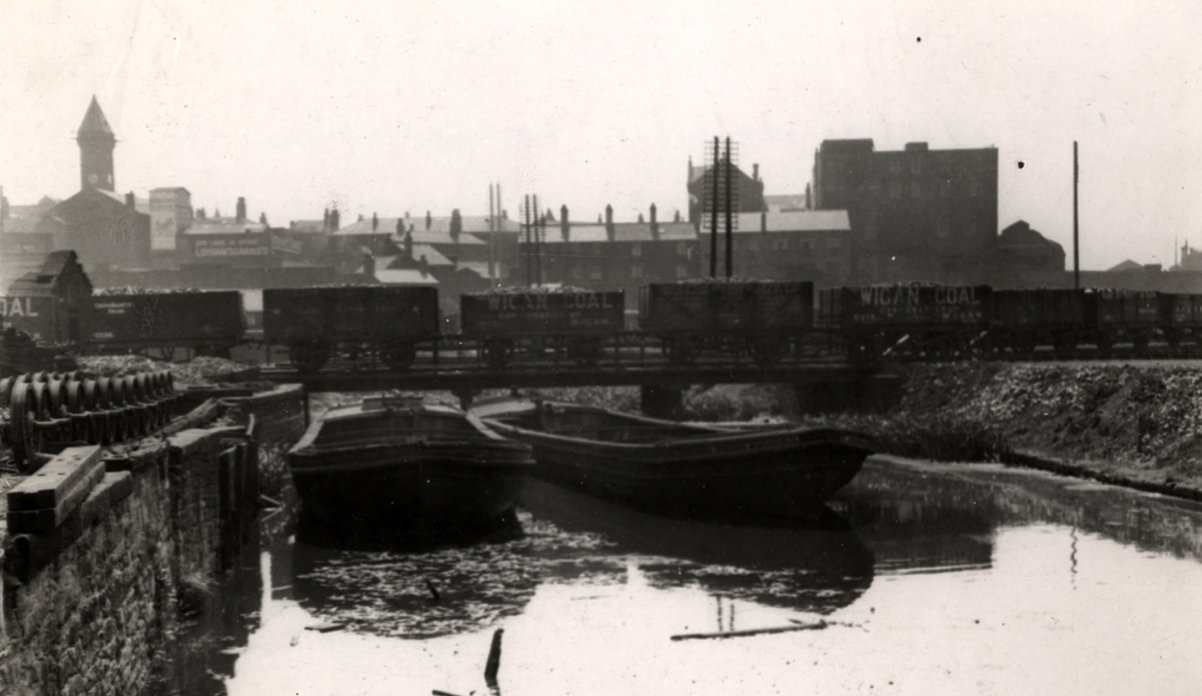
In April 1964 rumours of cotton arriving in Lancashire swelled. Two wagons of cotton arrived at Farington mill sidings and the famine was over.
Written by Hooman

Sign up for the Lancashire History Blog Newsletter