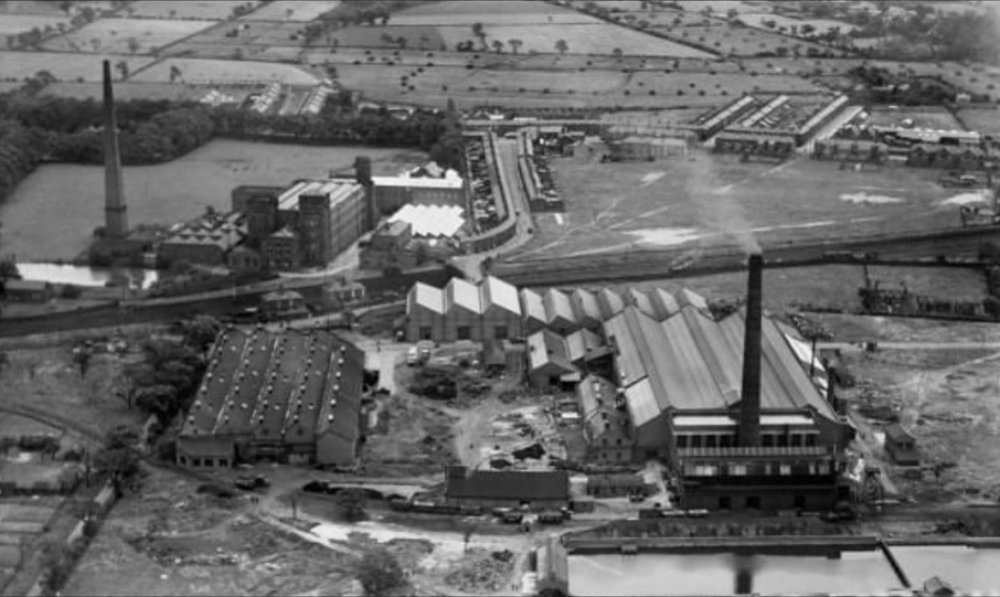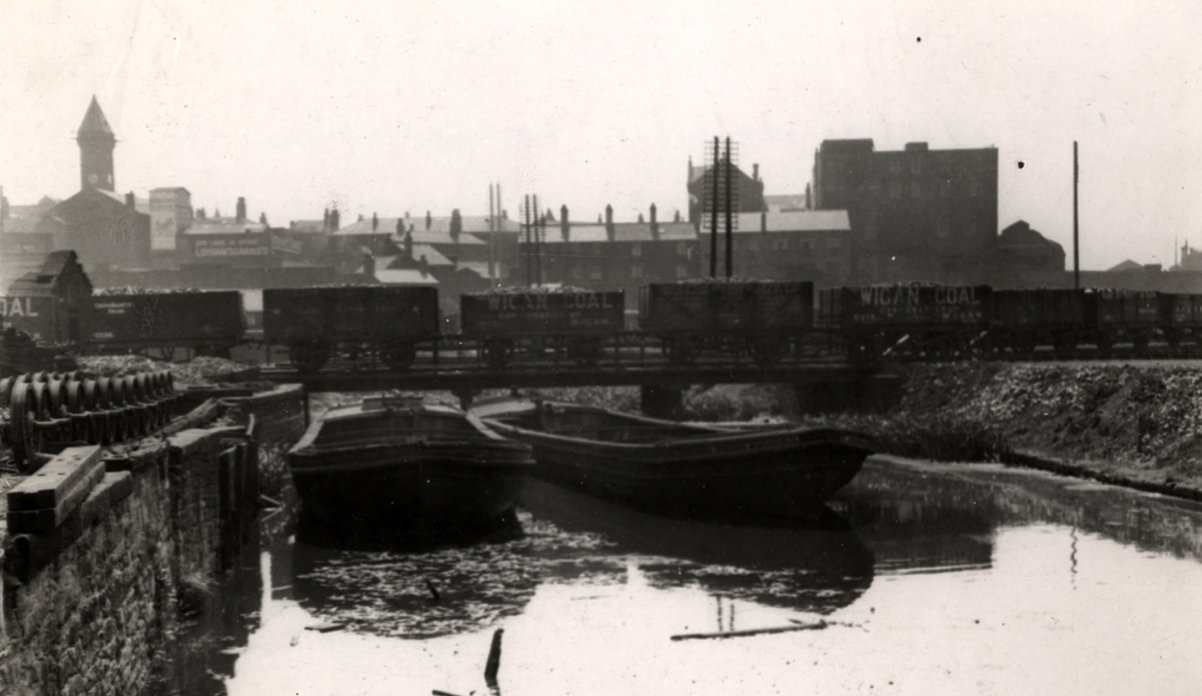
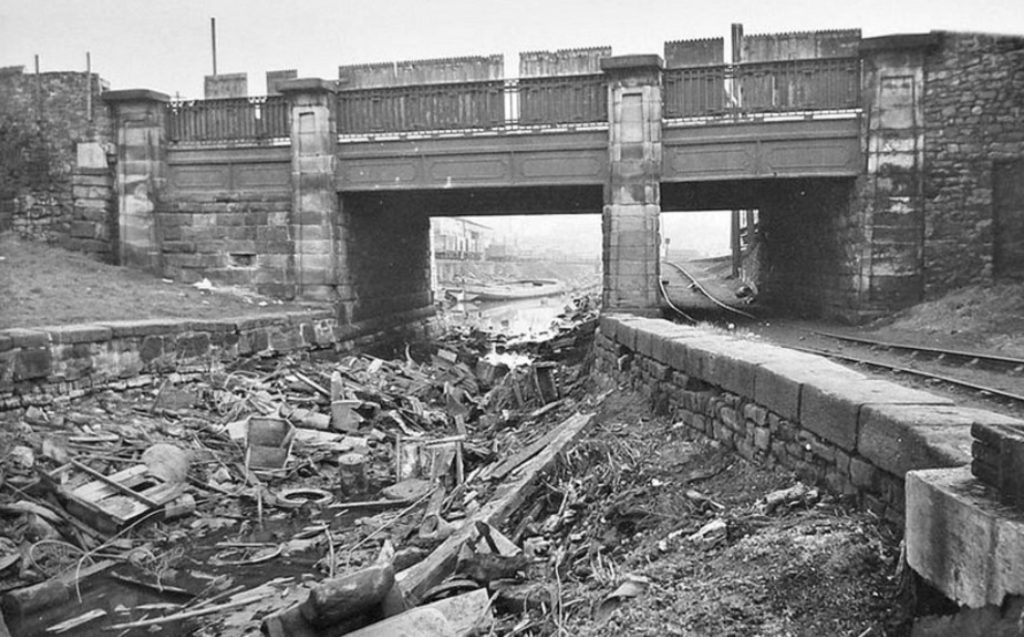
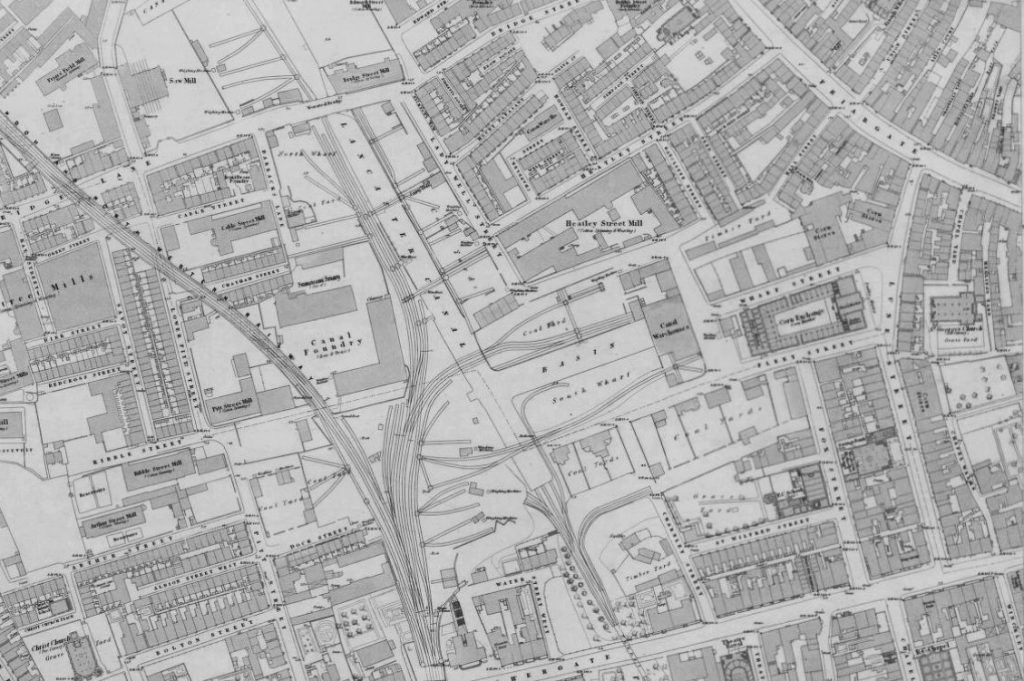
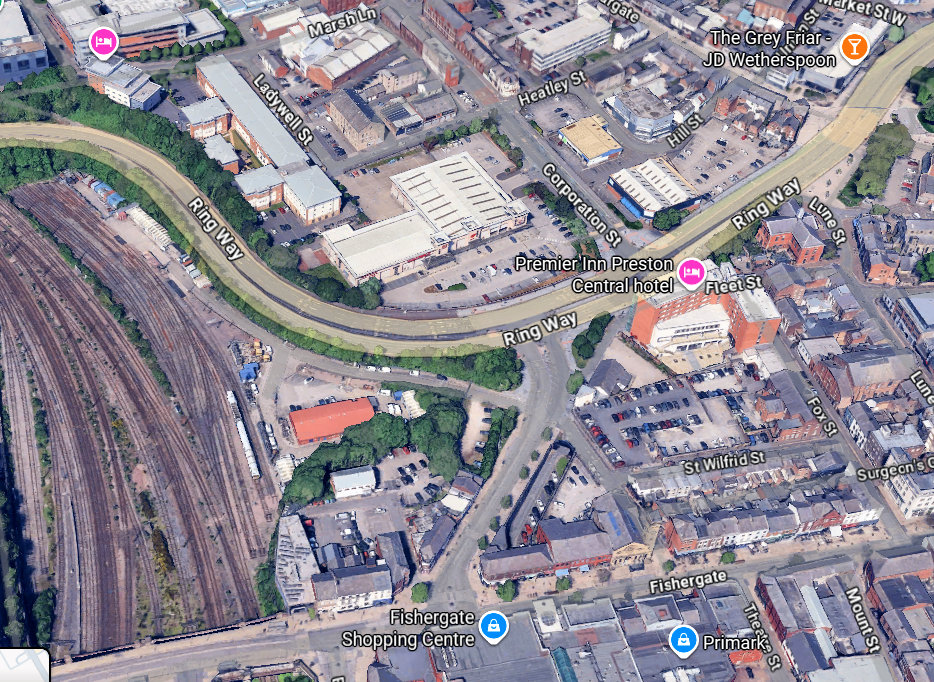
Sadly Preston lost its central canal basin in the 1960s. This would have been an attractive feature for the centre and a good place for a marina. Today the area sits under the ring road.
Origins of the Lancaster Canal
The main motivation behind the building of the Lancaster canal was the cost of coal in Lancaster. Notably, the 1761 built, Worsley canal had drastically reduced the cost of coal in Manchester. Consequently, Lancaster businesses desired the same reduced costs.
Work begins
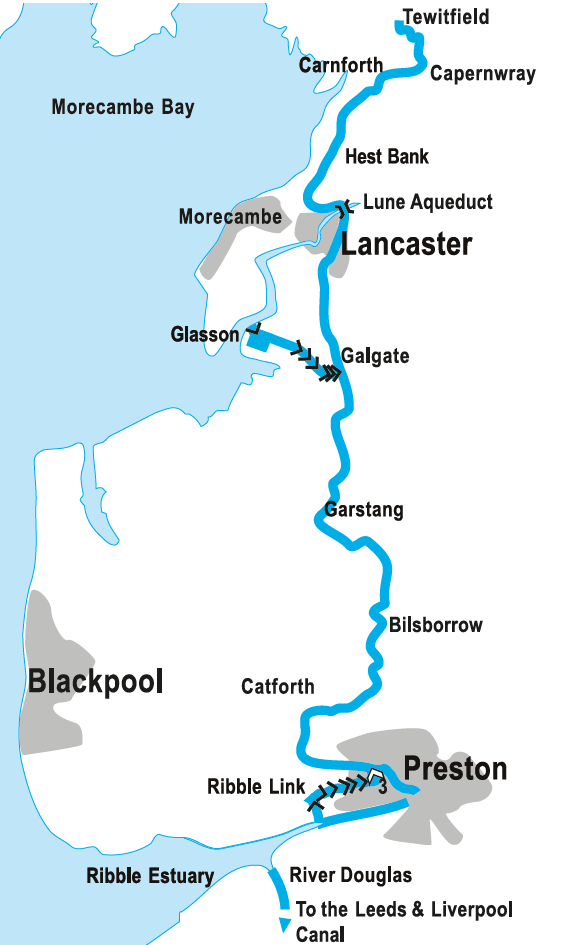
Work on the Lancaster canal began in 1793, by 1803 the route was linked to the Southern end of the canal at Walton Summit via a tramroad and bridge over the Ribble.
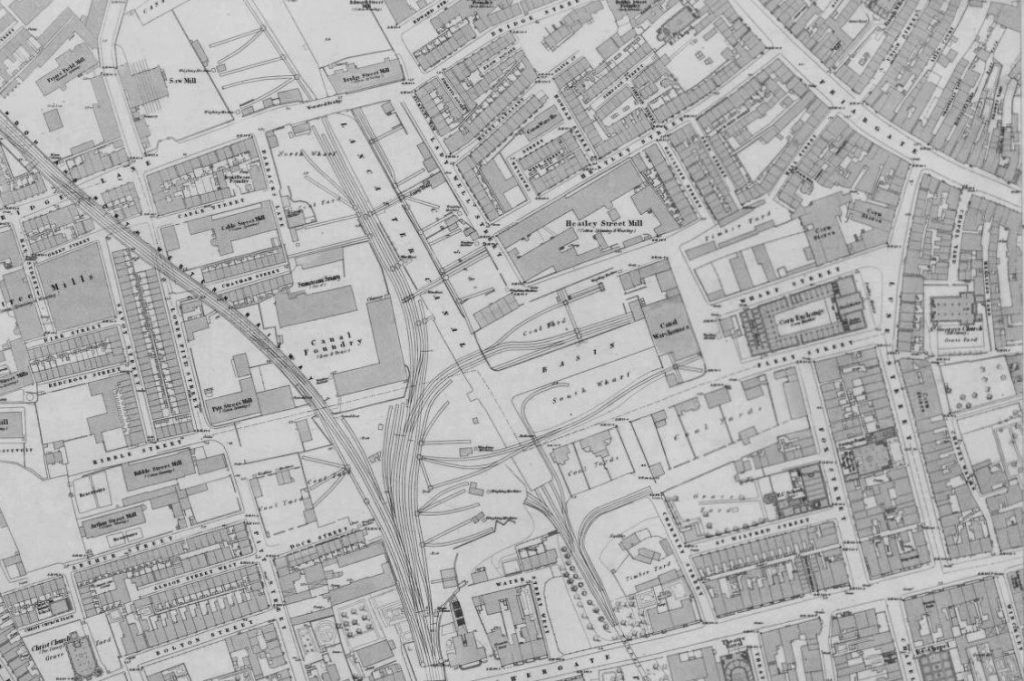
Coal and stone
As well as coal moving North, limestone was to be moved South. Limestone was used in iron smelting, as an agent to remove impurities. The main quarries were in Cumbria and Yorkshire. In fact the southern terminus at Walton Summit had both coal and limestone facilities. See the later map below.
The missing link
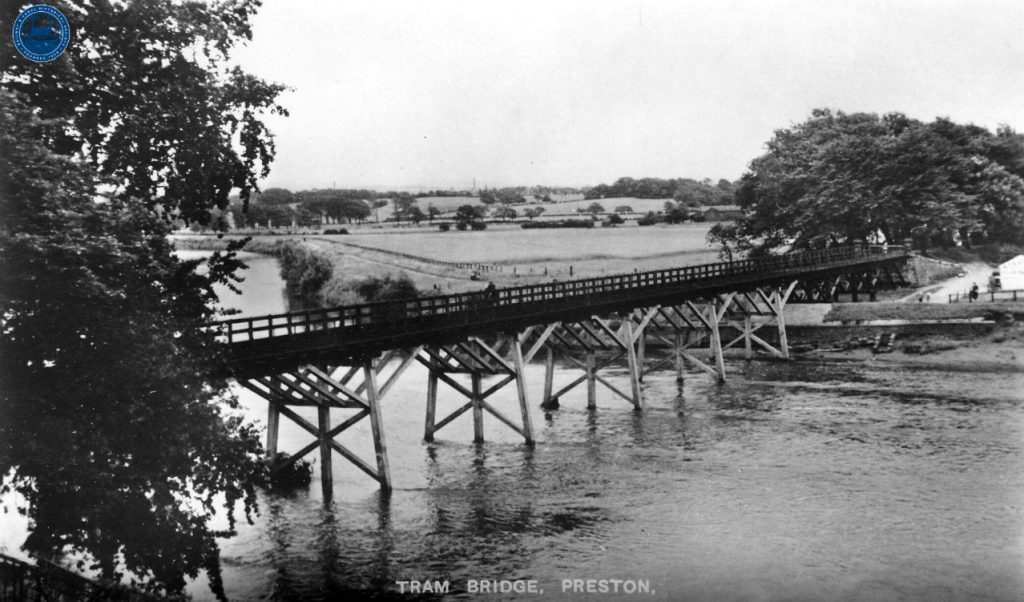
The Ribble proved to be a formidable barrier to the continuation of the canal. An aqueduct was proposed but never built. This resulted in the need for a tramway to cross the river and an awkward lift system to move goods to the canal basin, off Fishergate. However the railway had no problem building a bridge fifty years later! Additionally an aqueduct had already been built to cross the River Lune at Lancaster.
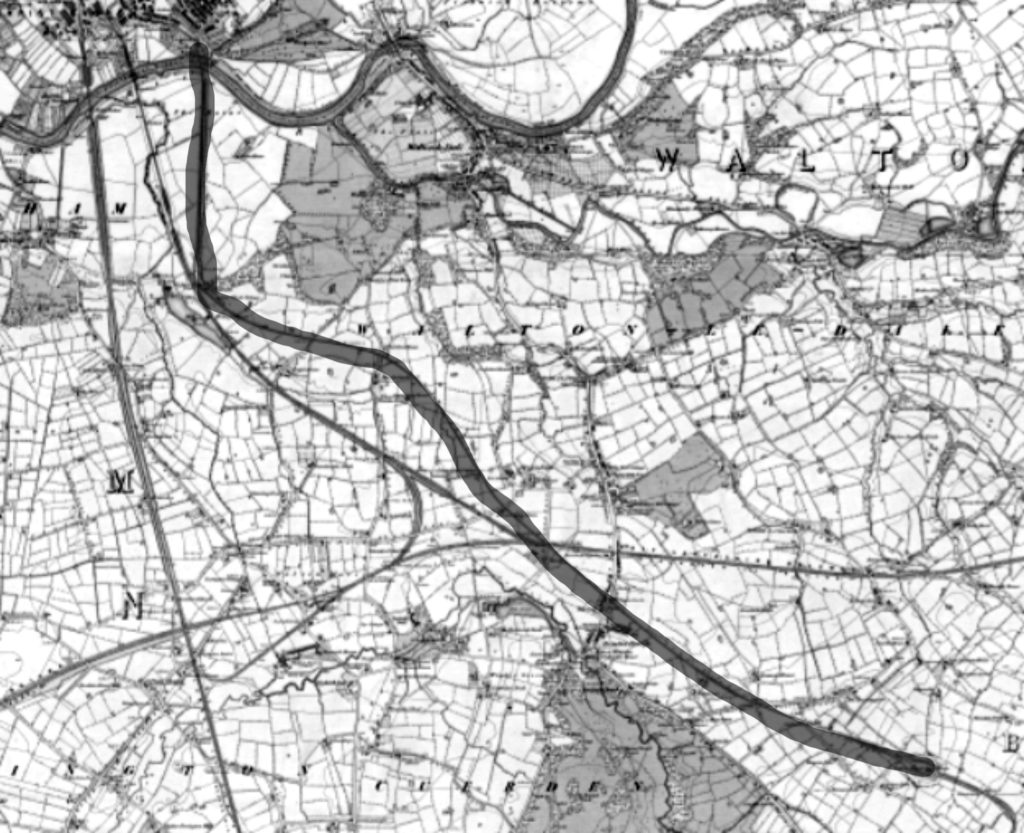
The Southern end of the Lancaster canal only ever reached Walton Summit. This was a considerable distance from Preston.
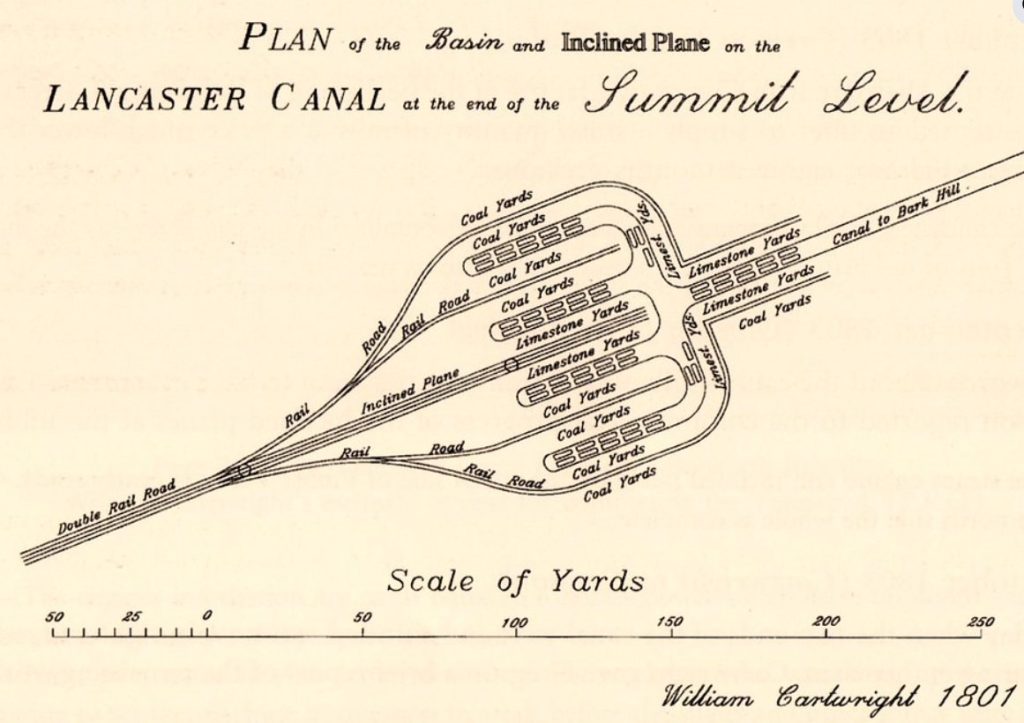
Instead of an aqueduct and a series of locks a tramroad was built and opened in 1803. Additionally, a tramroad bridge was built to cross the Ribble and the tramway remained in use until 1859.
The railway arrives
In the 1840s competition for the canal arrived when the North Union Railway reached Preston. However in 1875 there were still 55 licenced boats operating on the canal.
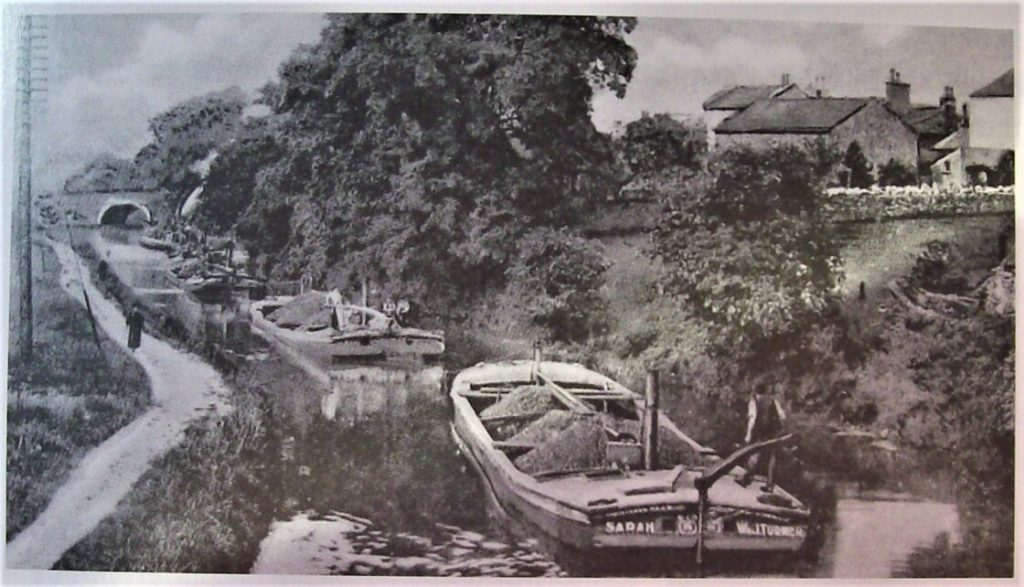
The end of Preston Canal Basin and resurrection to the Ribble
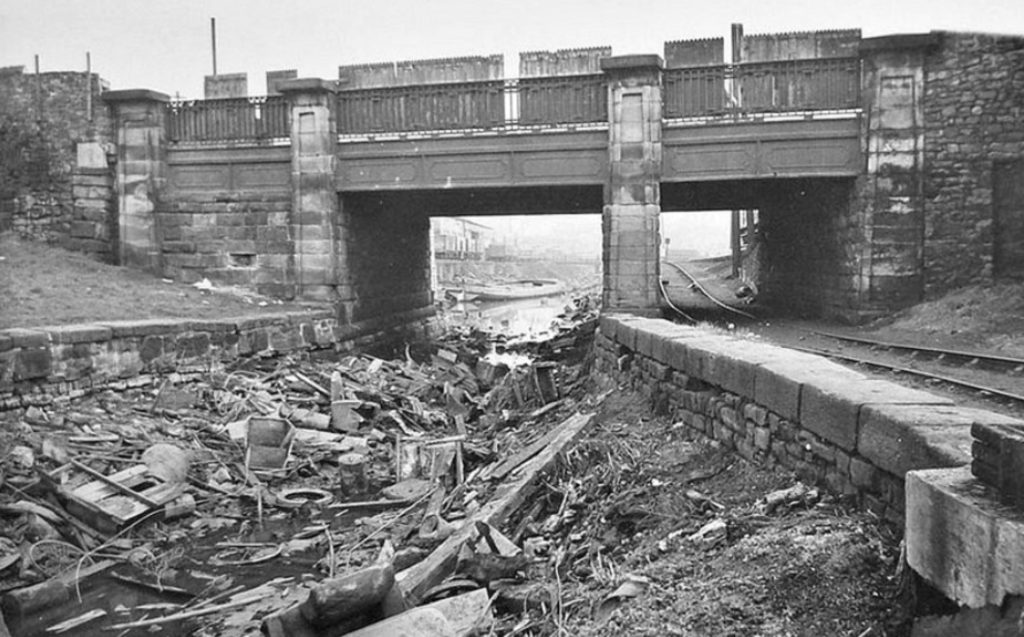
The Canal today
Unfortunately the original basin at Preston was filled in, in the 1960s. However a new link was built to the river Ribble in 2002. This was actually the canalisation of Savick Brook, which required several new locks to be built.
Get an article like this for your website for only £40 for 400 words, with images. Guaranteed to be written by a human, not an AI brain replacement tool! email geoff@electronincantation.co.uk for more info.
Sign up for the Lancashire History Blog Newsletter