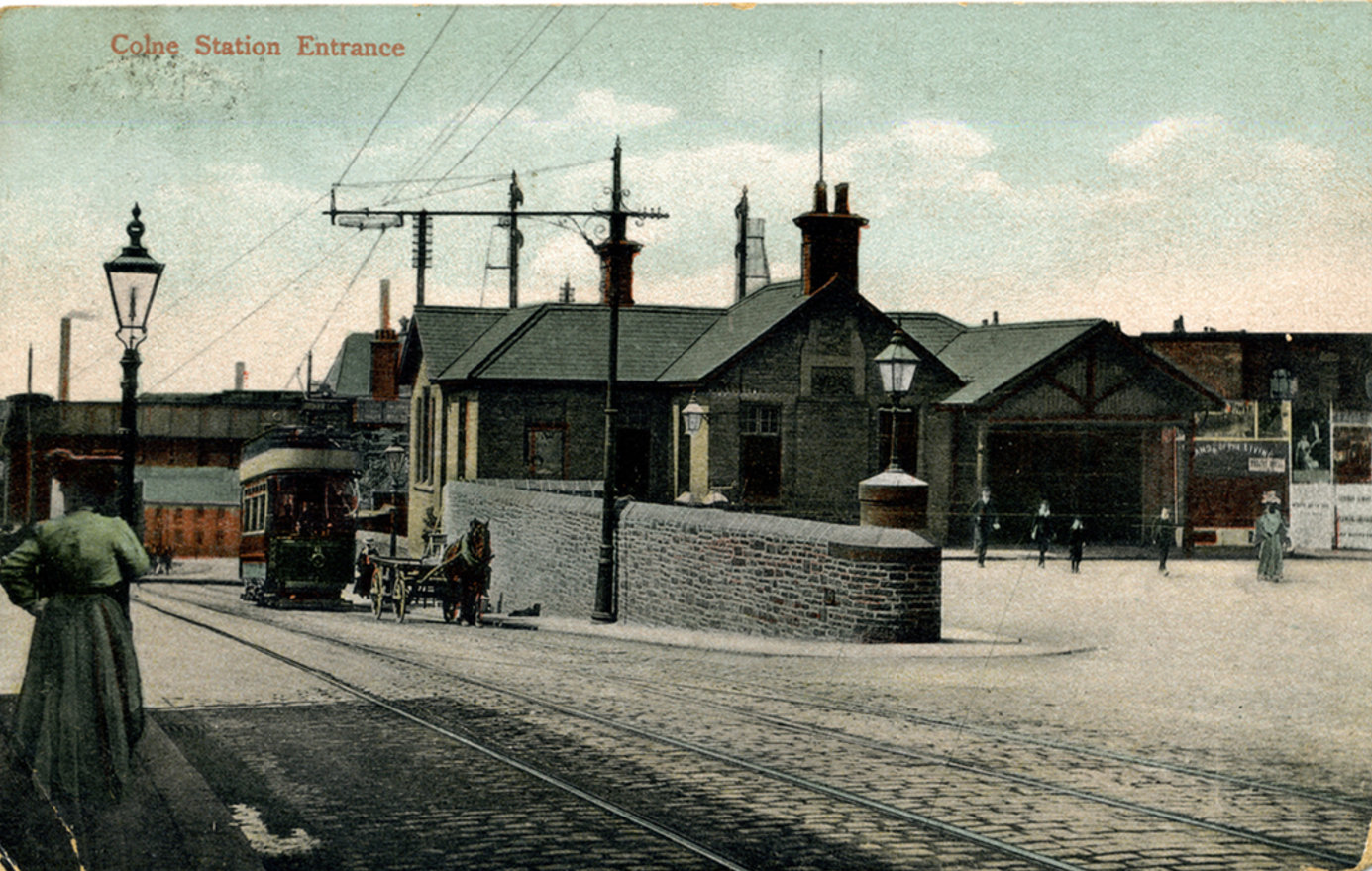
Colne and the battle of the railway companies.
Colne’s railways. Notably, due the the piecemeal way that UK railways were build. Often inconvenient arrangements occurred where two companies lines met. This happened at Colne in the 1840s. Additionally, absurd situations developed were two stations belonging to different companies were built at the opposite sides of a viaduct. This Happened at Ingleton.
Colne history
Colne is a market town on the edge of the Industrial area that includes Burnley and Blackburn. Although in Lancashire, Colne soon gained connections with West Yorkshire. Notably, It was the terminus of the Leeds and Bradford Extension Railway from 1848. However, the town grew more slowly that other Lancashire towns and had a population of 25,000 in 1911. Comparatively, the population in 1831 was 8,000.

The railway reaches Colne
The first line to reach Colne was built by the Leeds and Bradford Extension railway and opened in October 1848. This line ran from Skipton.
Additionally, By 1849, a line from Accrington had reached the town. This was built by the East Lancashire Railway. However this company was amalgamated with the Lancashire and Yorkshire Railway in 1858. Hence Colne became a joint station serving both companies.
Early railway leasing
Early railways were built by private companies. To allow other companies to carry goods on their line a leasing arrangement was put in place. This paid a percentage of the value of goods transported to the line owning company.
For example the Leeds and Bradford Extension railway from Skipton to Colne was leased to the Midland Railway for a sum of 10% of the goods carried. In other words 10% of the value of goods carried by the Midland Railway went to the Leeds and Bradford Extension railway when run over the later mentioned companies line. It could also be described as a toll system.
George Hudson, “the Railway King”
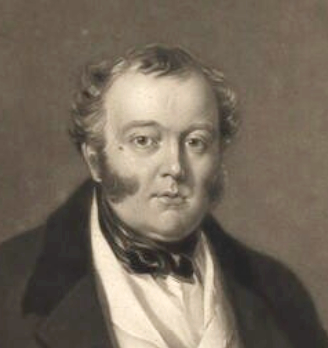
A controversy arose as both companies were owned by George Hudson who was essentially paying money back to himself. Eventually George Hudson’s practices led to his rather spectacular downfall! Moreover, the arrangement meant that The East Lancashire Railway could not operate passenger trains from Burney and beyond on Midland lines.
Consequently this meant that passenger had to change at Colne. Some companies charged vast amounts to carry other companies trains. This often led to friction and duplicate lines being built to avoid tolls.
A closure too far?
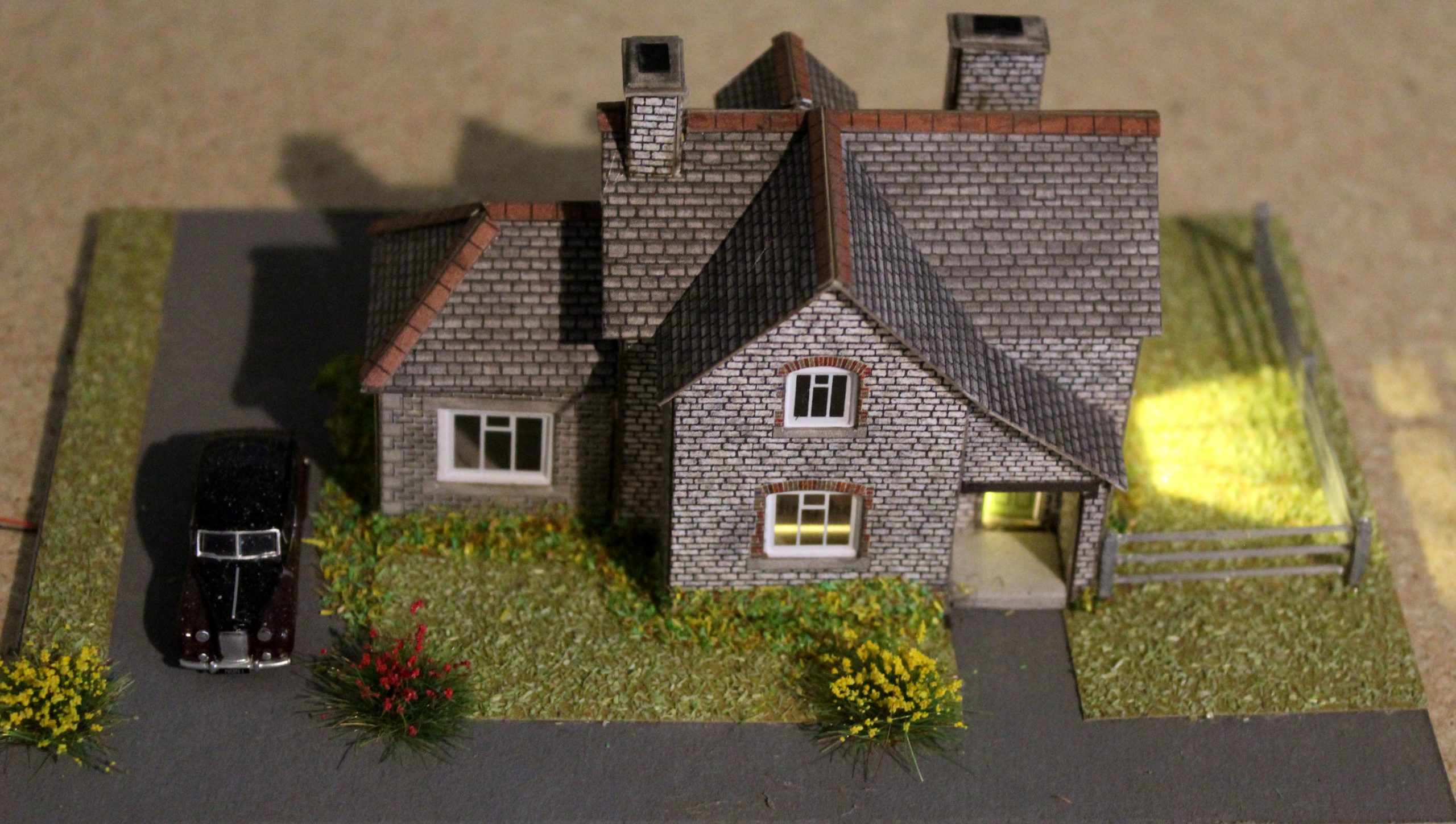
Sadly, the line to Skipton closed in 1970 and Colne became a truncated siding with a small station. Stations on the Skipton line soon became derelict, as at Earby, below.

Sign up for the Lancashire History Blog Newsletter