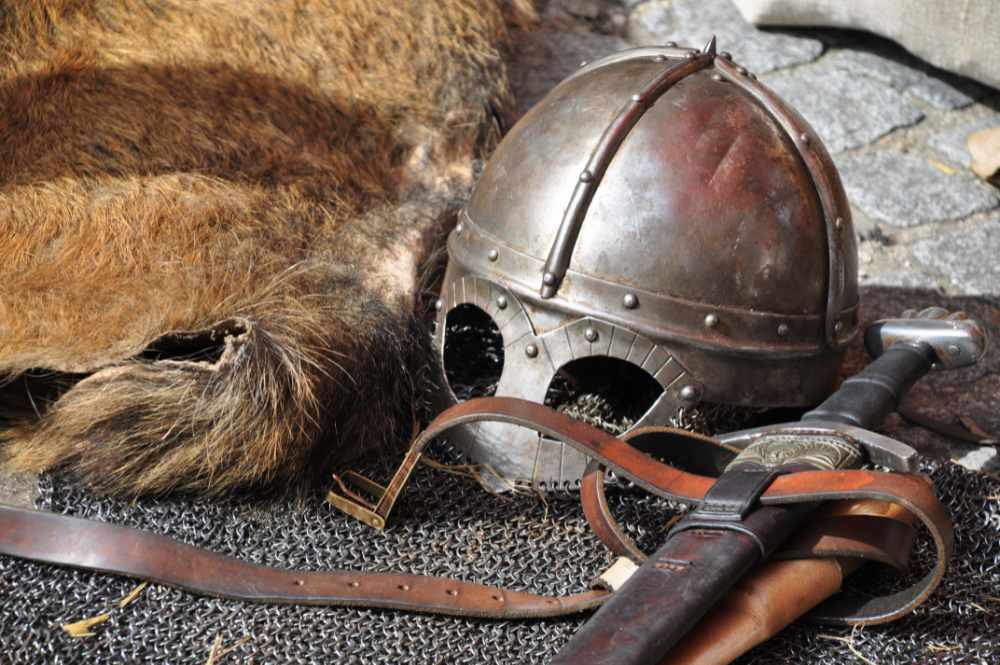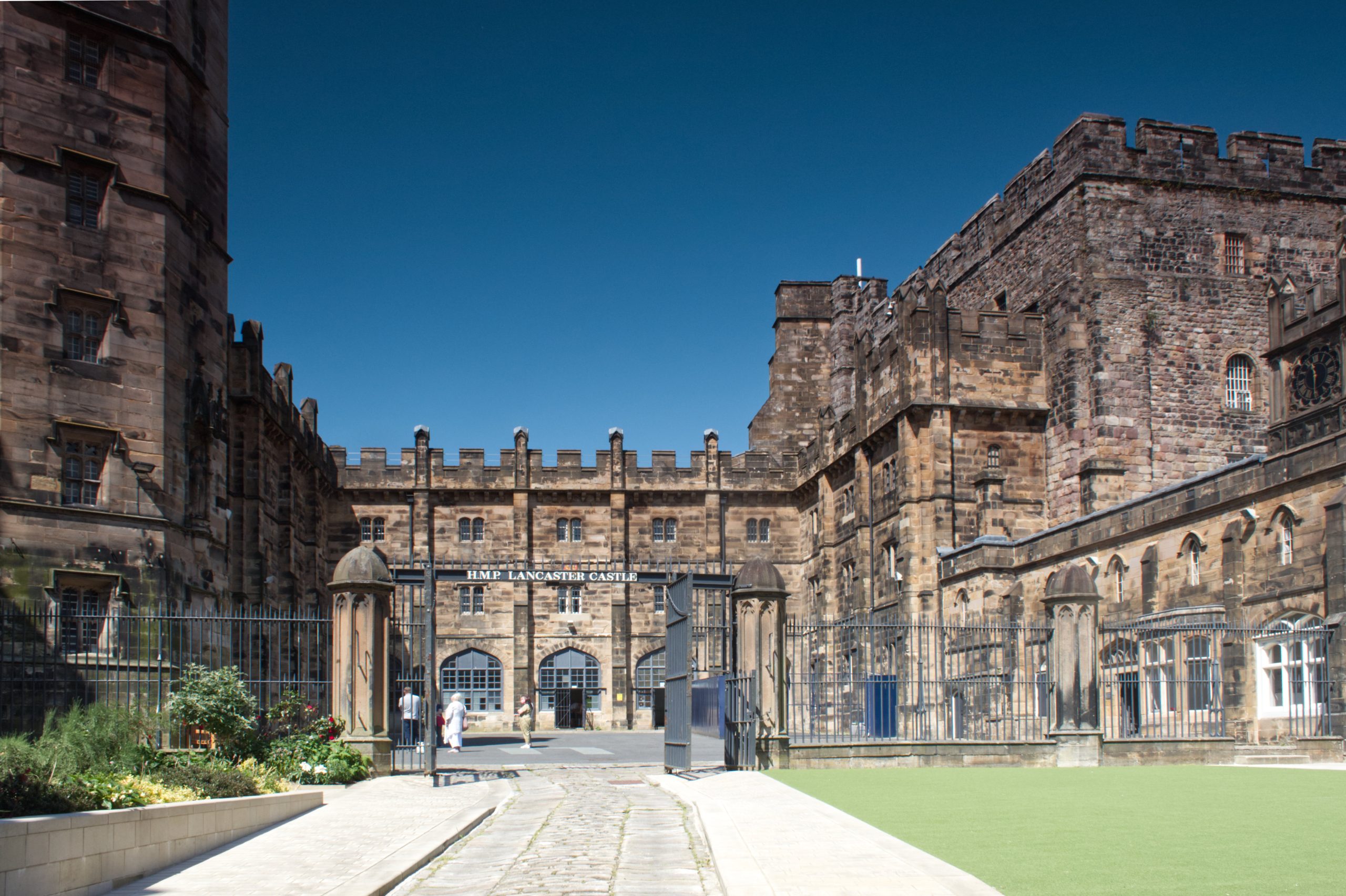
Lancaster Castle is one of England’s most historically significant fortresses — a site where Roman military strategy, medieval power, royal justice, religious persecution, and modern penal history all intersect. Its story spans nearly two millennia, rising above the River Lune as a symbol of authority, conflict, and continuity.
Origins on a Roman Frontier
The hill on which Lancaster Castle stands was first fortified between 60 and 73 AD, when the Romans built a military fort to control a key crossing of the River Lune. The fort’s earthworks and defensive position shaped the later medieval layout of Lancaster town. After the Roman withdrawal in the early 5th century, the site continued to be used by Anglo‑Saxon communities, though little is recorded about this period.
Norman Foundation and Early Development
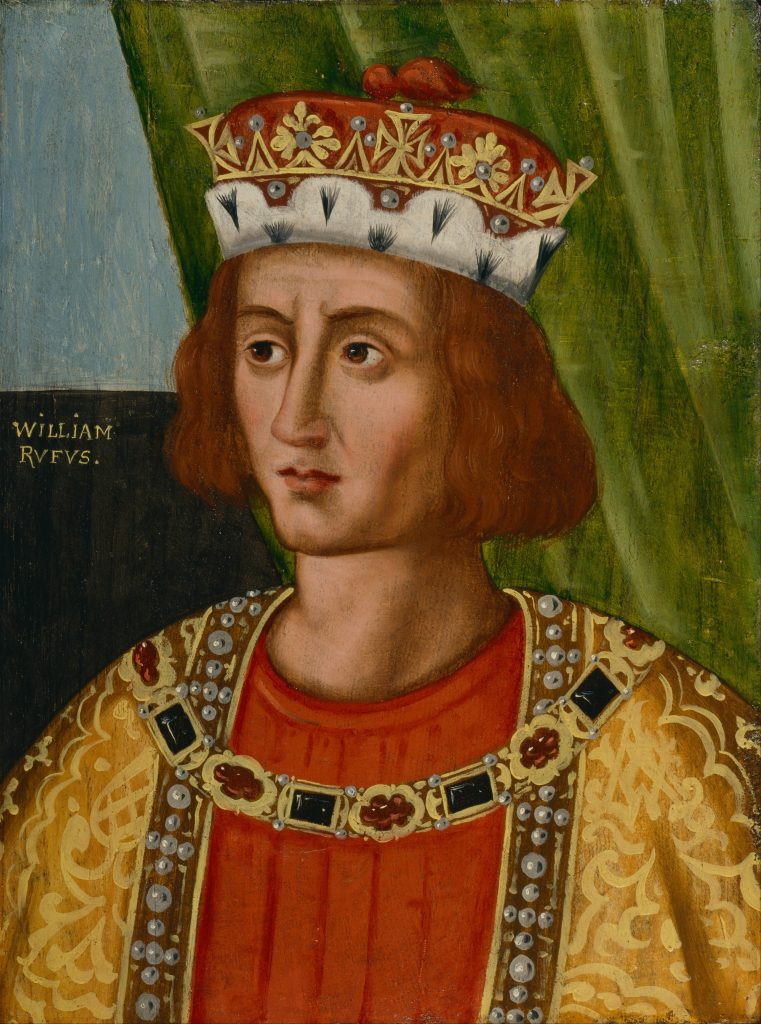
The castle as we know it likely began in the 1090s, shortly after the Norman Conquest. William II’s consolidation of northern England created the conditions for a permanent stronghold at Lancaster. Roger de Poitou, the Norman lord granted the region, rebuilt the fortification mound in Norman style around 1093, establishing the foundations of the medieval castle.
By 1164, the Honour of Lancaster — including the castle — came under direct royal control. During the civil conflict known as The Anarchy (1139–1153), the castle was even occupied by David I of Scotland.
Medieval Expansion and Warfare
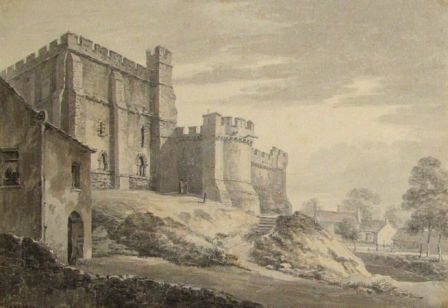
The Great Keep, one of the castle’s most imposing structures, dates from the late 12th or early 13th century. Its massive 3‑metre‑thick walls and buttressed corners reflect its role as a final refuge during siege warfare. A stone curtain wall and towers were added soon after, strengthening the fortress.
Lancaster Castle saw military action during Scottish invasions in 1322 and 1389, both of which caused significant damage. These attacks erased visible Saxon stonework and prompted further fortification.
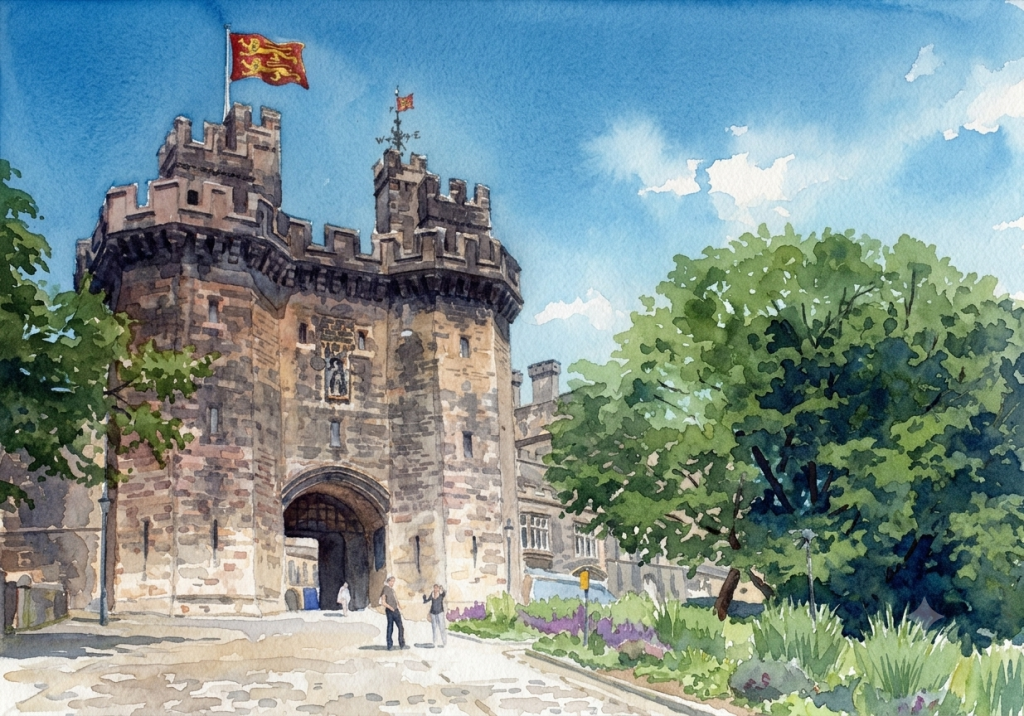
In 1399, Henry Bolingbroke (later Henry IV) incorporated the castle into the Duchy of Lancaster and built the great gatehouse — still its most iconic feature.
A Centre of Law, Punishment, and Persecution
Lancaster Castle’s role as a prison is first recorded in 1196, but it became increasingly central to the administration of justice from the 16th century onwards.
The Lancashire Witch Trials (1612)
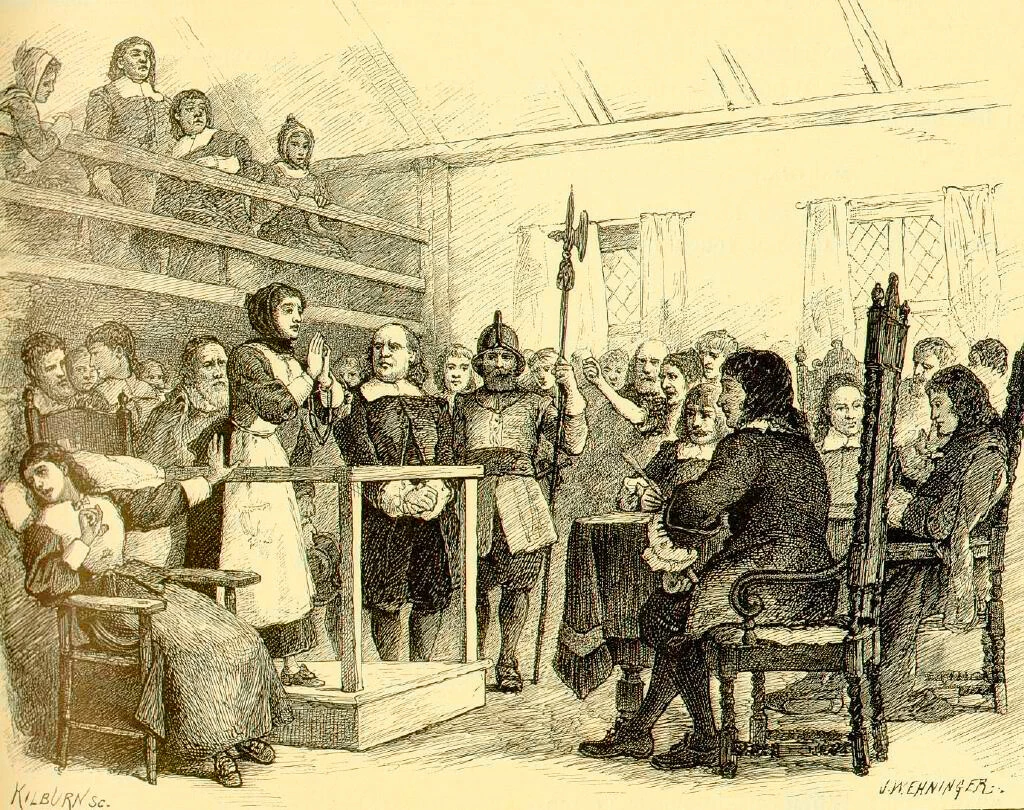
The castle was the site of the infamous Pendle witch trials, where accused women and men were imprisoned, tried, and executed. These trials remain among the most notorious episodes of early modern English justice.
Catholic Martyrs
Between 1627 and 1630, priests Edmund Arrowsmith and John Southworth were imprisoned and executed under anti‑Catholic laws — events that left a lasting legacy of religious persecution associated with the castle.

Executions and Penal Reform
More than 200 executions took place at Lancaster Castle for crimes ranging from murder to cattle theft. Public executions continued until 1868. Major reforms in the 18th century, led by architect Thomas Harrison, modernised the prison and court facilities, including the Shire Hall and Crown Court.
Civil War and Decline of Military Importance
During the English Civil War (1642–1651), the castle was deliberately slighted — damaged to reduce its military value. Despite this, key structures such as the keep and gatehouse survived.
Modern Era: From Prison to Public Monument
Lancaster Castle remained a working prison until 2011, making it one of the longest‑serving penal institutions in Europe. After its closure, management returned fully to the Duchy of Lancaster, and the site began a major programme of restoration and public opening.
Recent refurbishments include:
- A large public piazza (completed 2019)
- A new café built against the outer curtain wall
- Adaptive reuse of buildings for Lancaster University teaching and conferences
Tree‑ring dating in 2016 confirmed that parts of the keep and gatehouse date from the late 14th and early 15th centuries, verifying key phases of medieval construction.
Significance Today
Lancaster Castle stands as a rare example of a fortress that evolved continuously from Roman times to the 21st century. It embodies:
- Strategic military history
- Medieval architecture and royal authority
- Religious persecution and witch trials
- Centuries of criminal justice
- Modern heritage preservation
It remains open to the public, offering guided tours that explore its dark, complex, and compelling past.
Discover more from The Lancashire History Blog
Subscribe to get the latest posts sent to your email.