The Brigantes rule the North

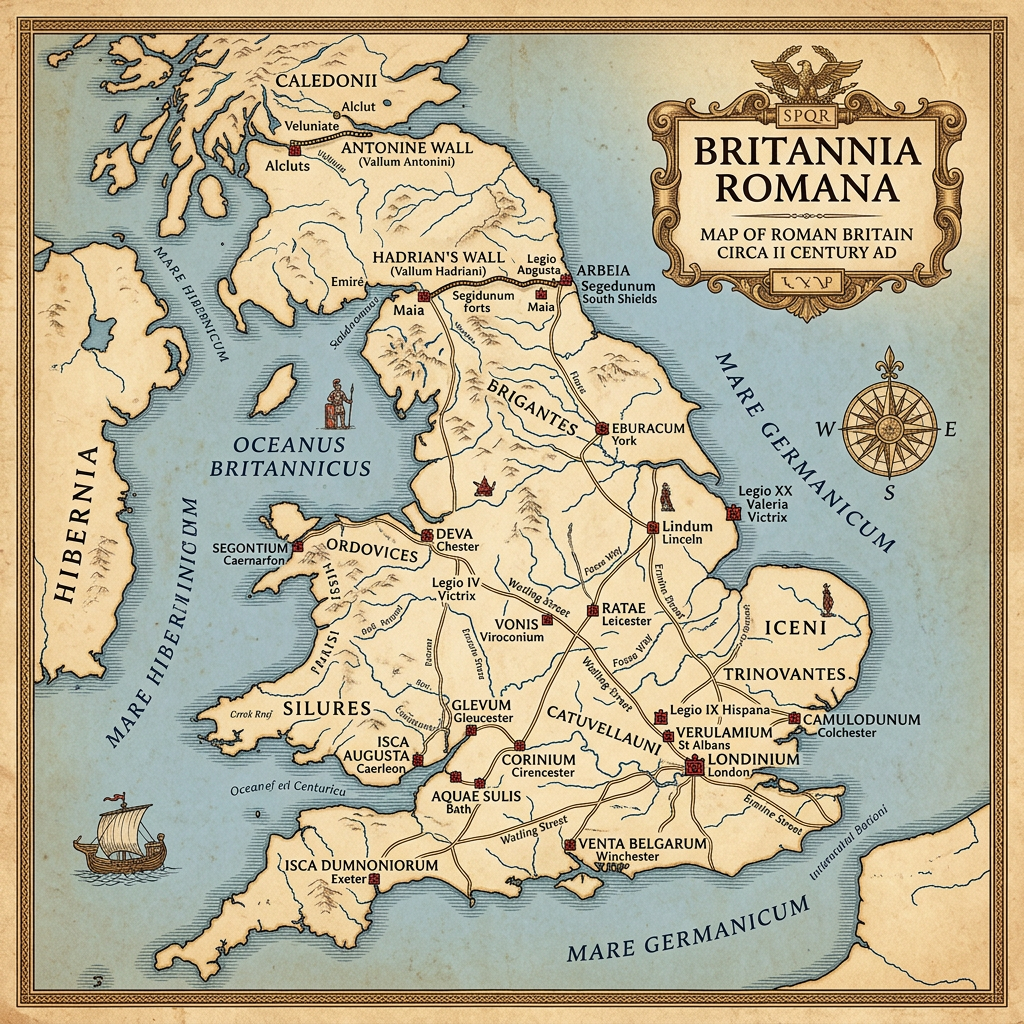
In the Iron Age the Brigantes ruled the north of Britain as a confederation of smaller kingdoms or tribal areas. Lancashire was controlled by the Sentanti. Notably, Hill forts formed the seats of power. The capital of the Brigantes area was at Isurium Brigantum (modern-day Aldborough in North Yorkshire).
Lancashire was too sparsely populated to have a capital. However, there were hillforts at Warton Crag and Castercliffe.
Life in Iron Age Britain
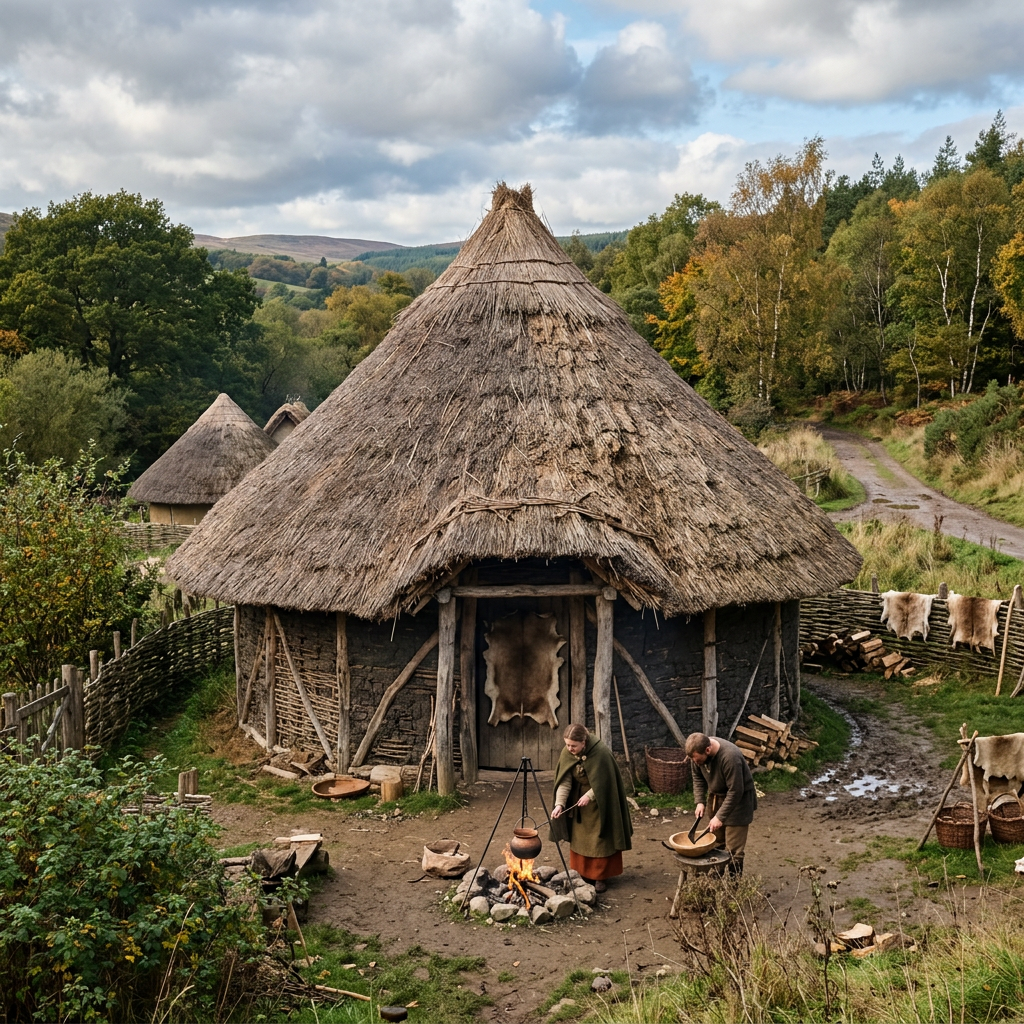
During the Iron Age, which started around 800 BC, most people lived in small farmsteads. These comprised a few roundhouses that had timber frames covered in wattle and daub. There was a central hearth, and smoke escaped from the centre of the thatched roof.
Roads existed before the Romans, but they were mostly unpaved and impassable in winter. However, that was about to change as military paved roads pushed north along with the Roman army.
Roman roads in Lancashire
The main north-south Roman road in Lancashire ran from Chester to Lancaster, ending close to Hadrian’s Wall. along the way it passed through the area that is now Preston. There was also an east-west road from the fort at Ribchester to Kirkham.
Queen Cartimandua and a great betrayal
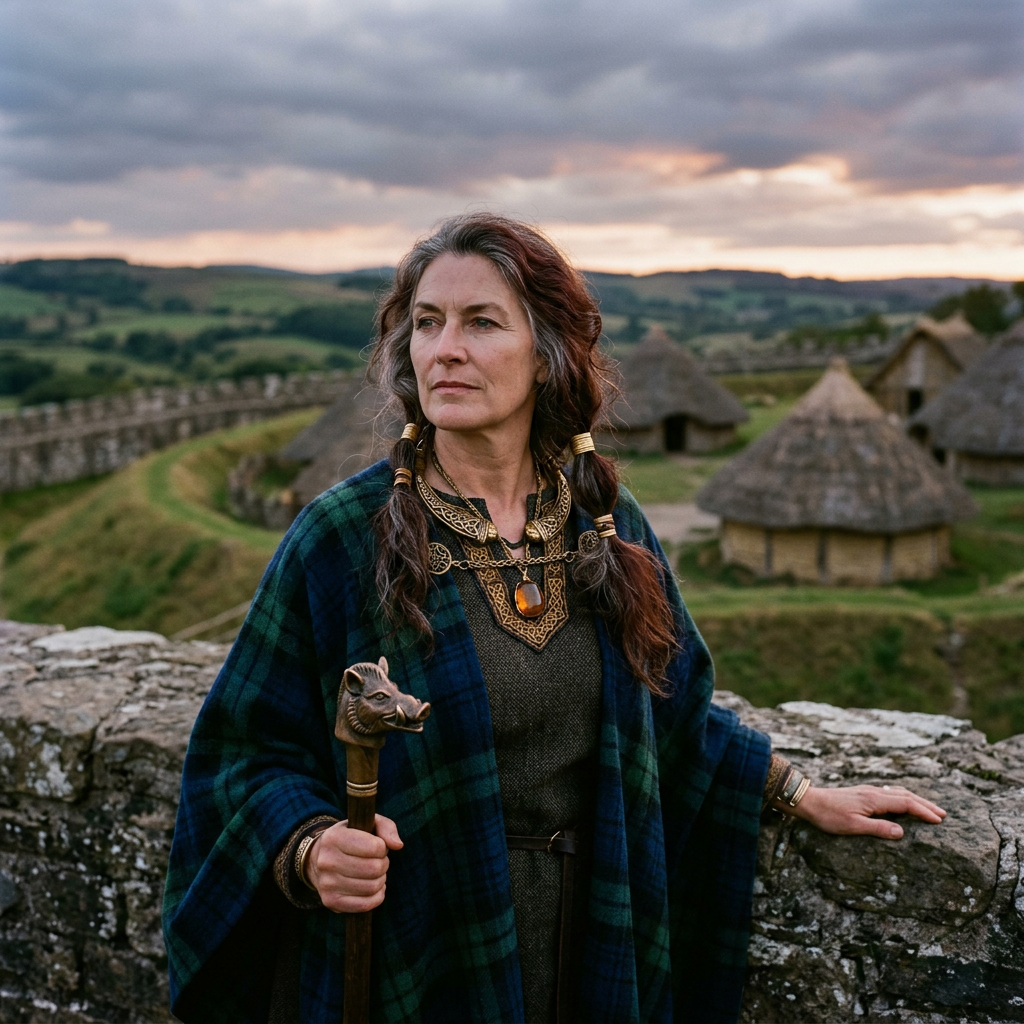
When the Romans arrived in the north of England, the local Brigantes confederation of tribes was ruled by a queen named Caritmandua. She shared power with her husband, Venutius. However, while Caritmandua was pro-Roman, Veneutius resented their presence and interference. Moreover, along with infidelity, Cartiomandua’s pro-Roman stance was to result in internal strife. The split eventually led to divorce and a great betrayal.
Betrayal and revenge
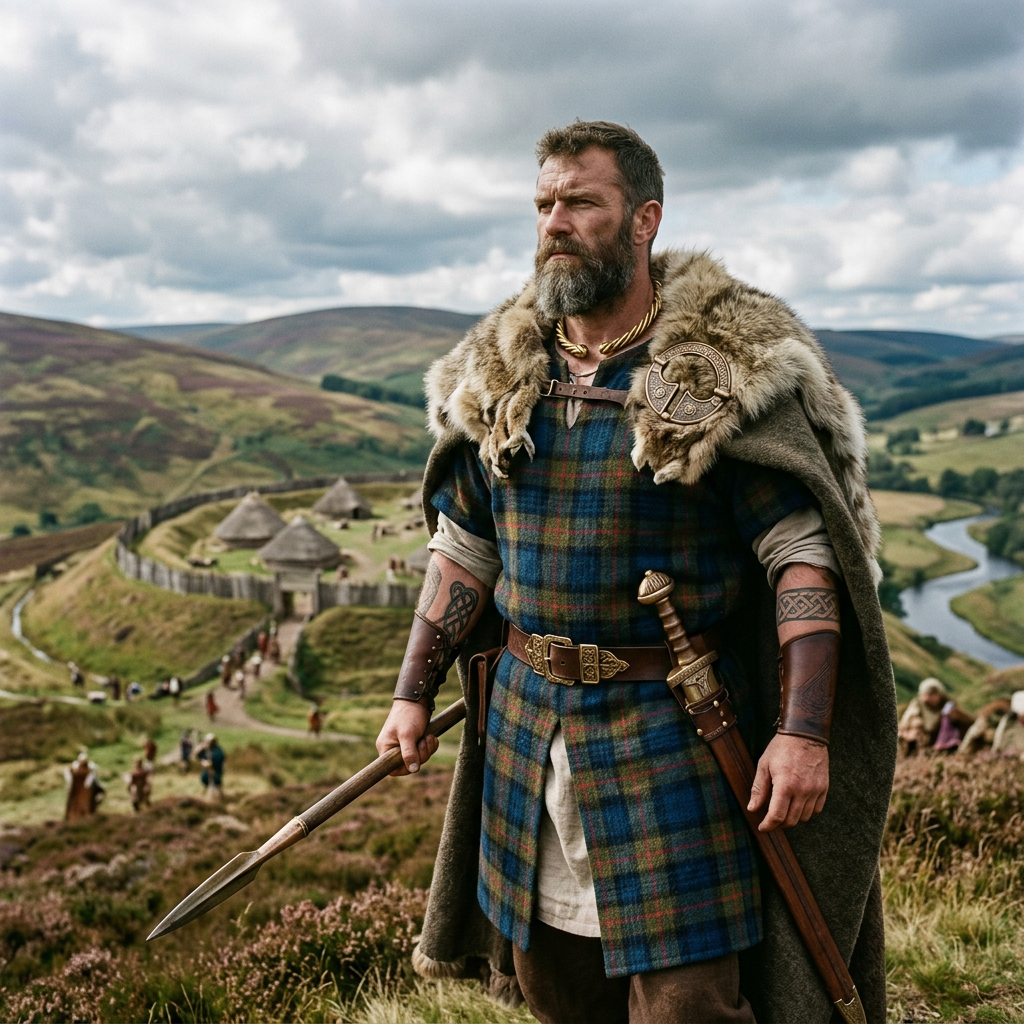
In a supreme act of betrayal, Veocatus, Venutius’s armour bearer and most trusted chief soldier, married Cartimandua. As a result, Venitius became bitter and furious and even more anti-Roman.
The Roman invasion of Brigantes territory
Later Roman Lancashire
Discover more from The Lancashire History Blog
Subscribe to get the latest posts sent to your email.