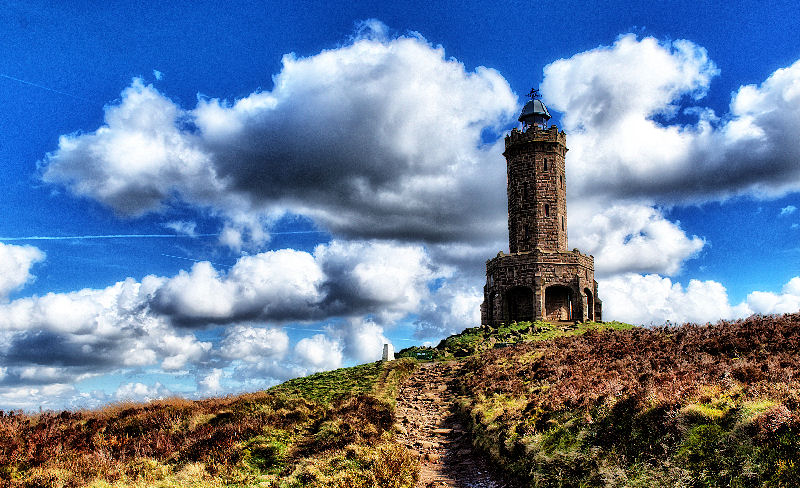
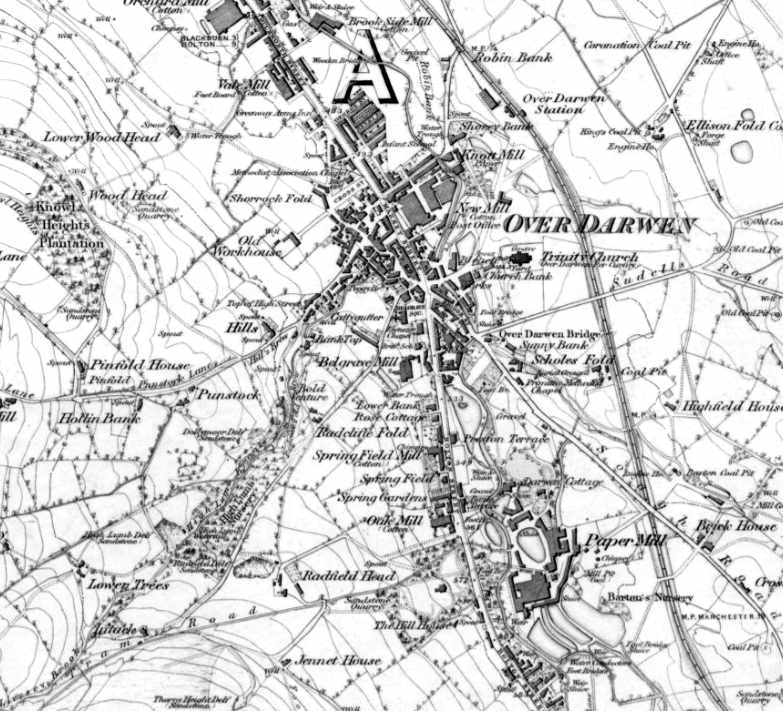
Darwen is situated in a valley close to Blackburn in Lancashire. It is a great place to visit with a Victorian tower and many waterside walks. Access is easy with a railway station and good bus services. Additionally, the M65 passes to the north. Moreover, there is a Victorian market hall and a reasonable range of shops.
Early history
Occupation in the Darwen area dates back to the Bronze Age. A round barrow was found at Ashleigh Barrow and dates from 2000 BCE. This was used for burials; additionally, a bronze dagger was found. If you are visiting Darwen, copies of the collared urns used for the burial can be found in the town’s library.
Roman Lancashire
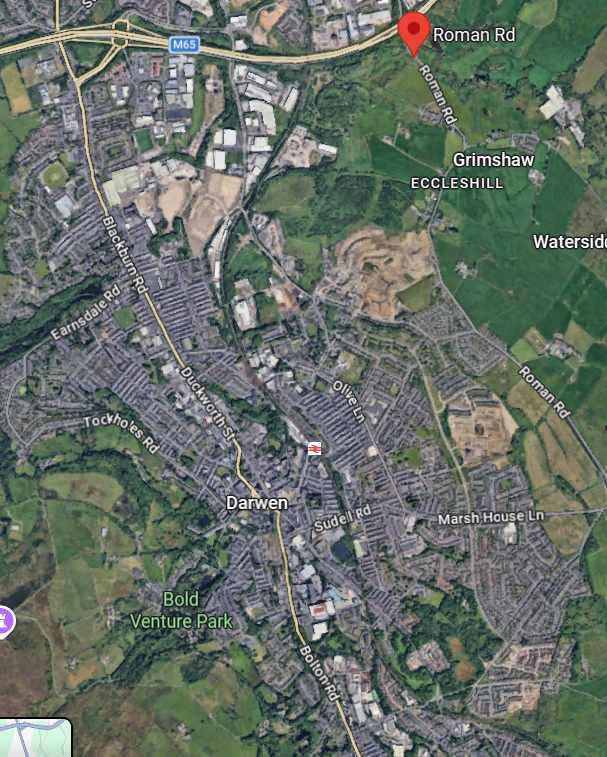
The Romans had a fort at Ribchester and a supply depot at Walton le Dale. Additionally, a Roman road ran along the edge of the moor to the east of Darwen. This is still in use today and named “Roman Road”, which is a bit of a clue! The Romans tended to build roads on valley sides rather than on the swampy and predator-infested valley floor. This location was also less prone to ambush.
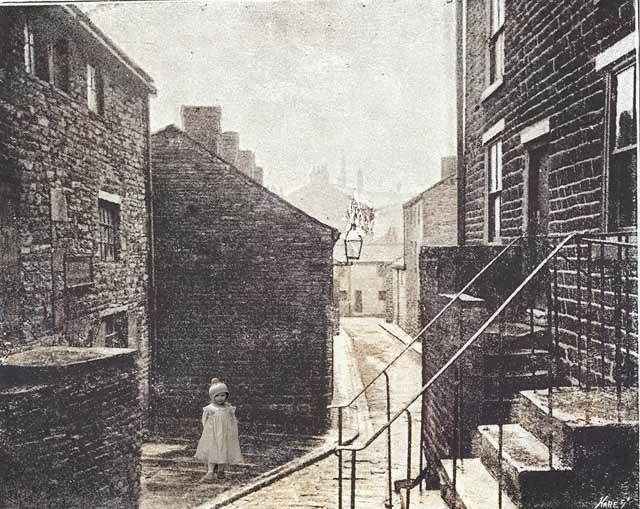
Mediaeval Darwen has largely been built over, but there is a farmhouse at Bury Fold with a datestone of 1675.
Industrial Darwen
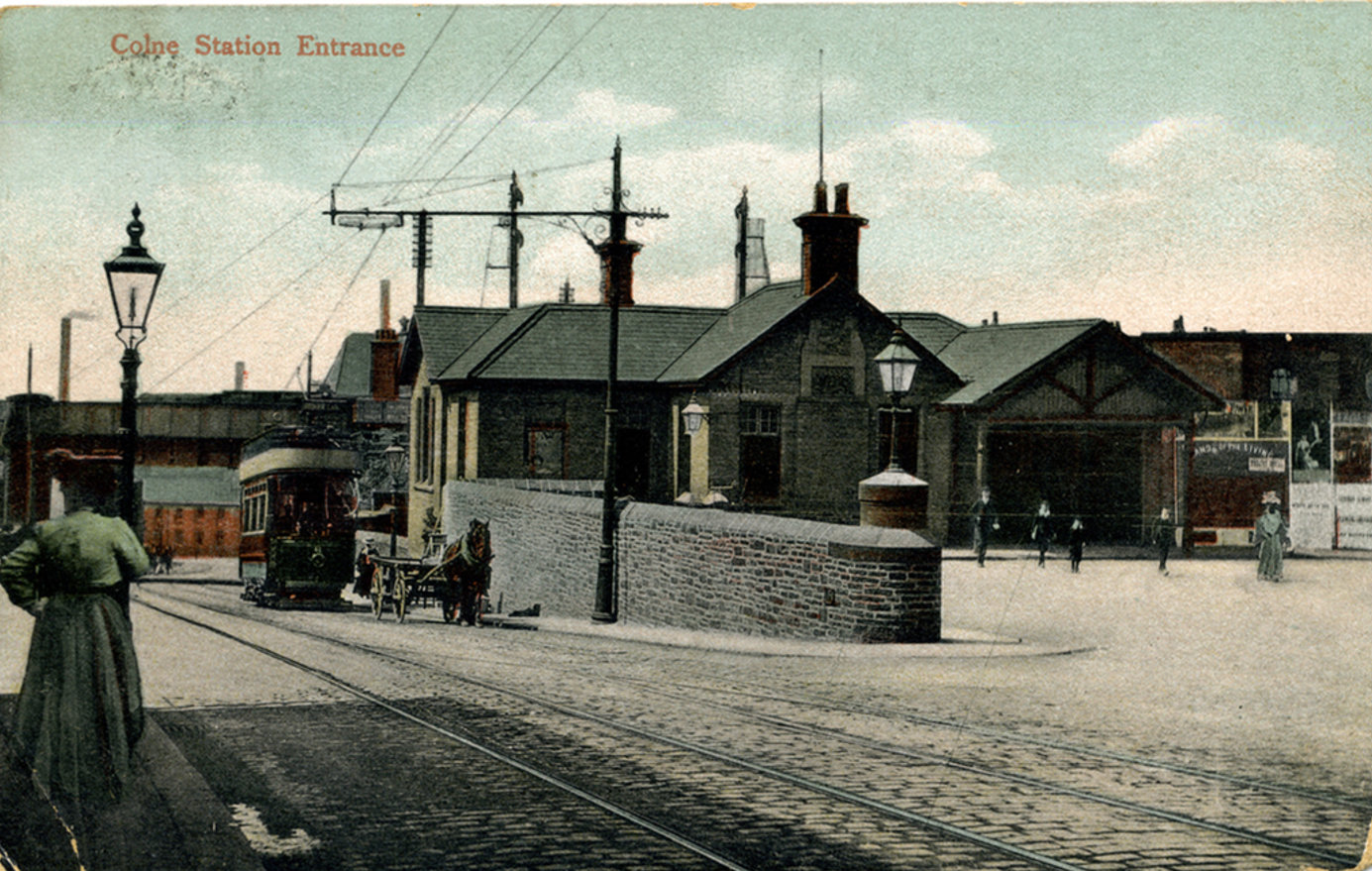
Darwen sits in a valley with a fast-flowing river. This kind of location was ideal for water-powered mills. Samuel Compton, the inventor of the spinning mule, lived in Darwen for a time. The Leeds and Liverpool Canal bypassed Darwen to the north; however, the railway arrived in 1847. The line was built by the Bolton, Blackburn, Clitheroe and West Yorkshire Railway. This small company was absorbed into the Lancashire and Yorkshire Railway in 1859. Stations at Lower Darwen and Spring Vale closed in 1958. However, at the time of writing, there are plans to reopen Lower Darwen station.
A landmark mill is still in place in Darwen. That is the iconic India mill built by Eccles Shorrock & Company in 1867.
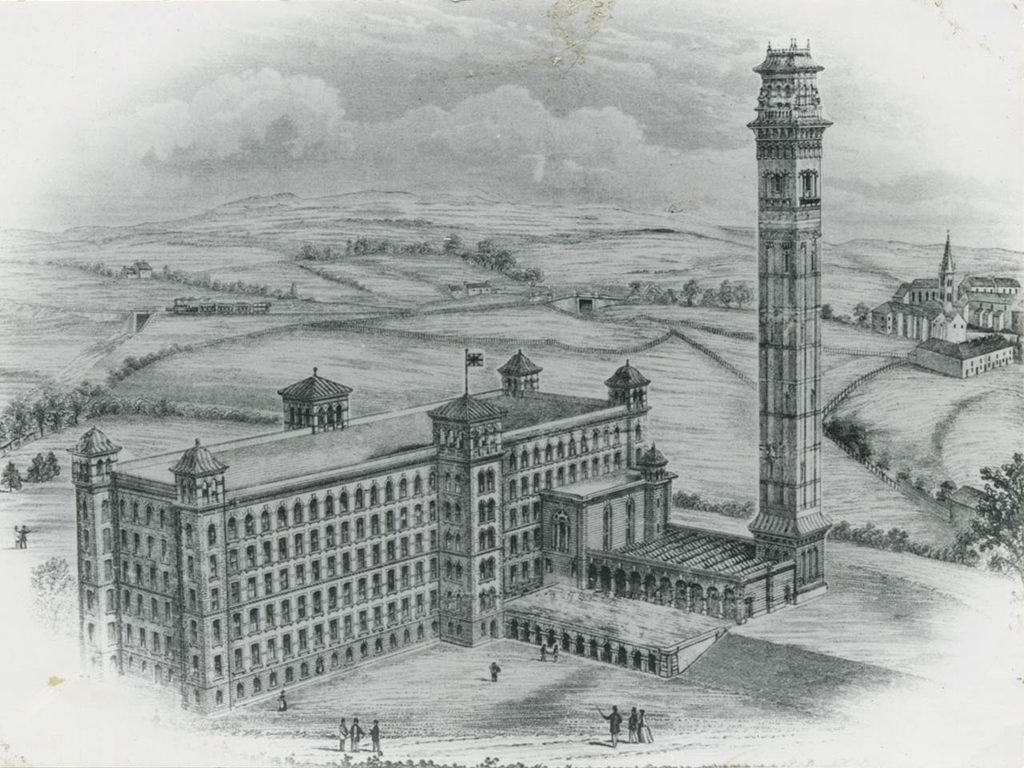
The mill is still in use today as a business centre. Notably, the name of the mill derives from the Indian cotton that was once woven here. Additionally, the chimney is still in place and is one of the tallest in Lancashire.
Places to see.
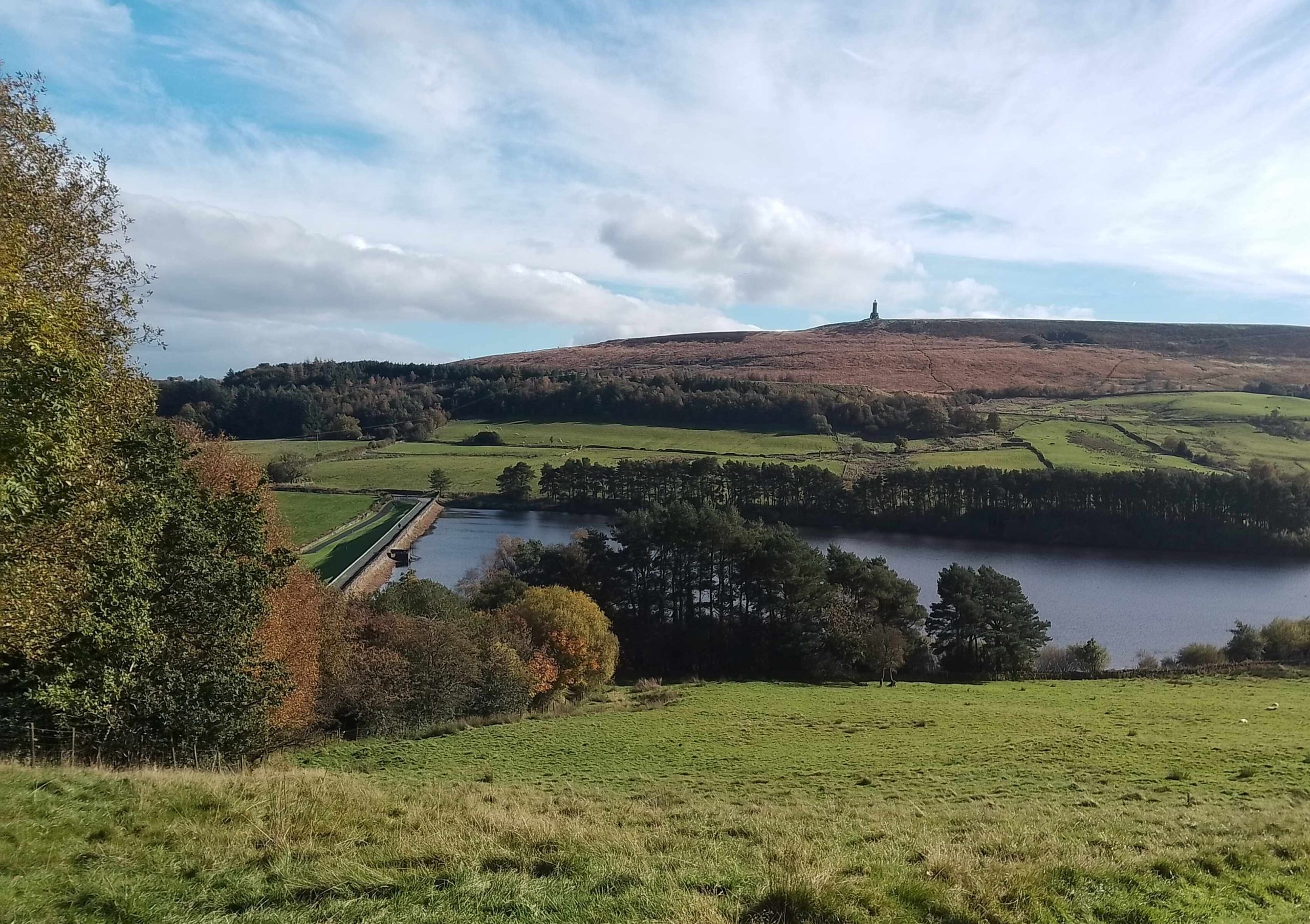
Darwen is great pace to visit and walk, with the tower and reservoirs; it is almost a mini lake district.
Darwen Tower walk.
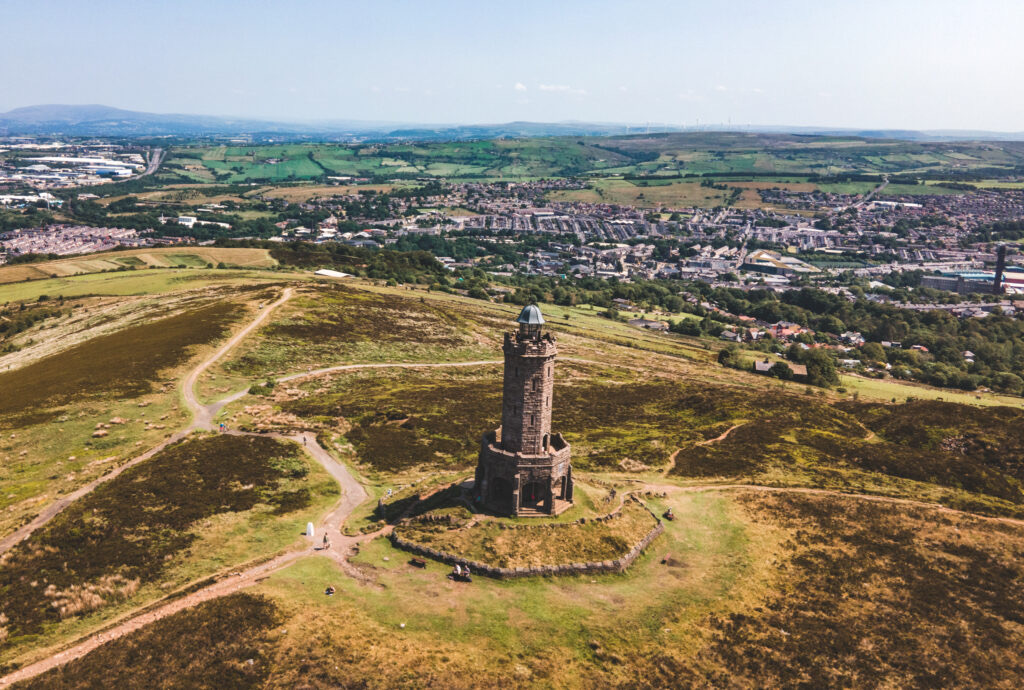
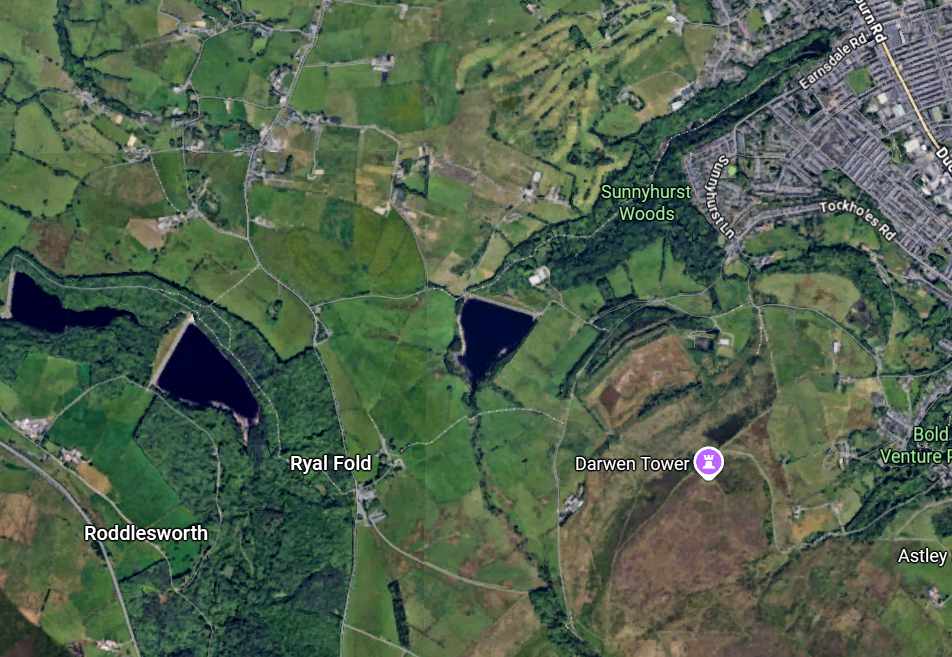
Darwen Tower was built in 1897 for the Diamond Jubilee of Queen Victoria. The tower was recently restored and has an internal stairway and viewing platform. There are many paths over the moors and Roddlesworth reservoirs are well worth a visit, as are the paths through Sunnyhurst Woods.
Discover more from The Lancashire History Blog
Subscribe to get the latest posts sent to your email.